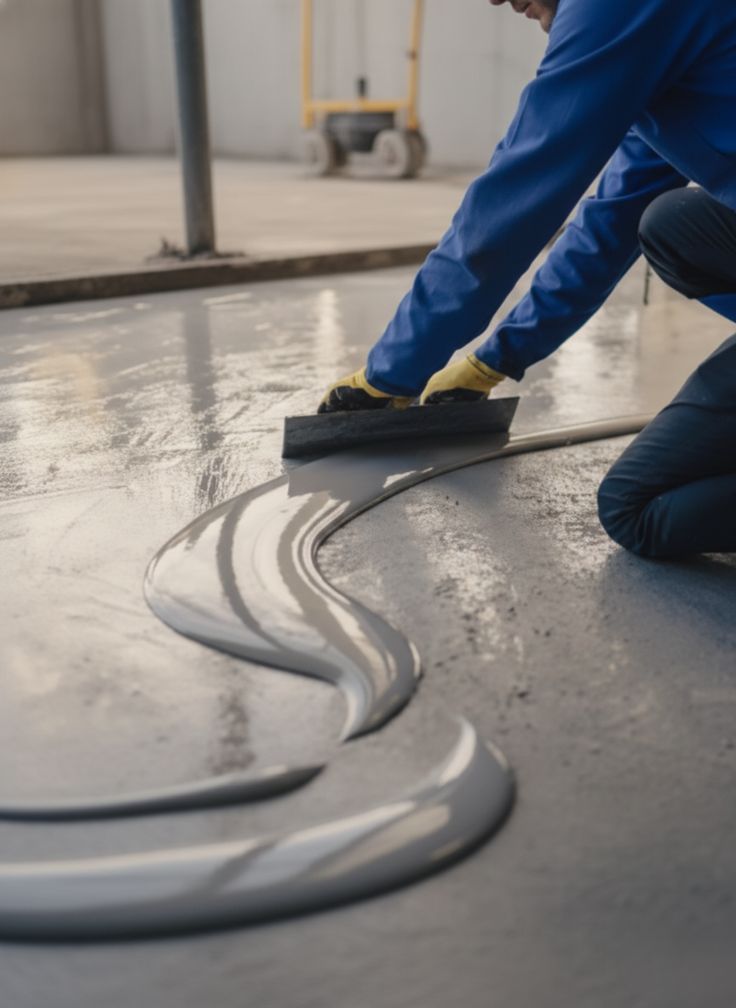
Bathrooms, terraces, and other moisture-prone zones need waterproofing logic early, before tile adhesive and grout decisions are locked. That planning step protects both the finish and the project budget.
Why early planning matters
Once the tile finish is already selected and site work has progressed, waterproofing often becomes a reactive conversation. That usually means less flexibility, more compromises, and higher risk of rework.
Where waterproofing should be considered first
- Bathrooms and shower areas.
- Terraces and exposed outdoor surfaces.
- Utility spaces and moisture-prone service zones.
- Any substrate with leakage history or long-term water exposure.
What system thinking looks like
- Early waterproofing planning reduces the chance of destructive rework later.
- System thinking helps teams match substrate preparation, waterproofing, adhesive, and grout more cleanly.
- Technical clarity at specification stage creates stronger project confidence than repair-led explanations after handover.
A better sequence for site decisions
Decide the waterproofing system first, then confirm the compatible adhesive and grout strategy. That sequence makes the final finish stronger and lowers the chance of blaming the tile layer for a problem that started below it.